
Genesis of FIFA’s Controversial Proposal
On Tuesday, July 28, 2026, global football was thrust into uncertainty following revelations that FIFA was exploring a radical commercial restructuring. Media leaks exposed plans for a new $20 billion subsidiary named FIFA Forward Enterprise (FFE), designed to consolidate and monetize the organization’s most valuable assets—including broadcasting rights, sponsorship deals, ticketing, and licensing.
At the heart of the proposal is FIFA president Gianni Infantino, who has championed the initiative as a transformative step toward financial expansion.
The governing body later confirmed that it intends to sell minority, non-controlling stakes of up to 20% in the new entity to private investors. The deal is backed by an investment group linked to Thrive Eternal, founded by Joshua Kushner.
Under the proposal, FIFA could raise up to £3.1 billion ($4.2 billion), with FFE valued at approximately £15 billion ($20 billion). In return, FIFA claims the initiative could generate more than £7.53 billion ($10 billion) in development funding over the next four years—funds it states would be earmarked for grassroots football, infrastructure, and national team programs worldwide.
However, the proposal is not unconditional. Infantino has written to all 211 member associations, offering financial incentives—up to $40 million per nation—if they back the plan before a strict September 19 deadline. He also warned that failure to support the initiative could result in significantly reduced funding under FIFA’s traditional Forward Programme, intensifying pressure on national bodies to comply.
Backlash from Confederations and Political Figures
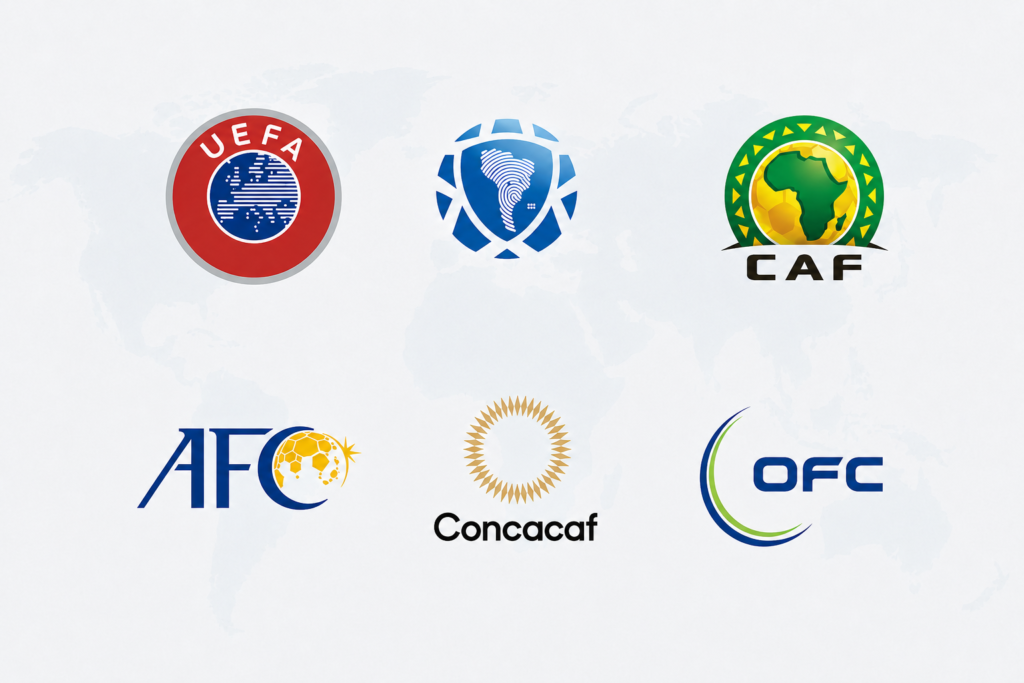
143 out of 211 FIFA confederations have shown resistance to its proposal
The reaction to FIFA’s proposal has been swift and overwhelmingly negative. European football’s governing body, UEFA, led the opposition, expressing deep concerns over the commercialization of the World Cup and its long-term implications.
UEFA’s stance quickly gained support from other confederations. The CONCACAF and the Asian Football Confederation both rejected the proposal outright, with the latter calling for an urgent review of FIFA’s governance structure.
Collectively, these confederations represent 143 of FIFA’s 211 member associations, signaling a massive institutional resistance that threatens the viability of the plan.
UEFA went even further, warning that its 55 member associations could boycott FIFA competitions if the proposal is not withdrawn—an unprecedented escalation in football politics.
The backlash has also extended into the political arena. The Prime minister of the United Kingdom, Andy Burnham, had publicly criticized FIFA’s intentions, opposing the introduction of private investment into the World Cup. Burnham further stated that Infantino is the wrong man to lead FIFA.
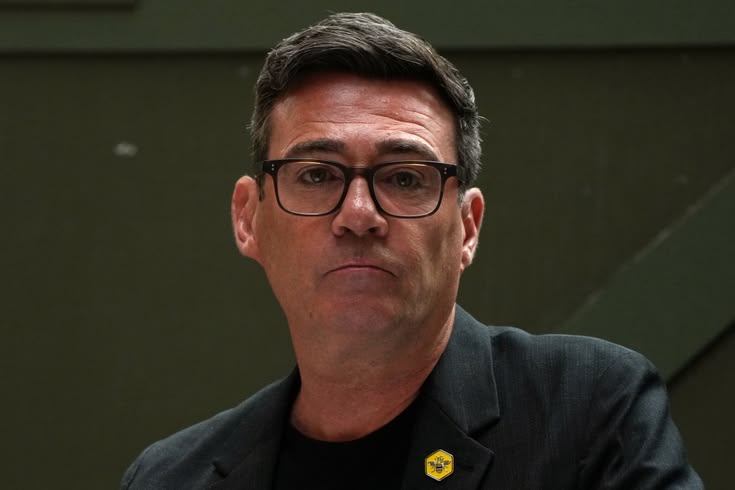
Andy Burnham, the 59th prime minister of the United Kingdom
Resignation of FIFA Senior Advisor
Amid the intensifying controversy, FIFA suffered a significant internal blow with the resignation of Carlos Cordeiro, a senior advisor to Infantino.
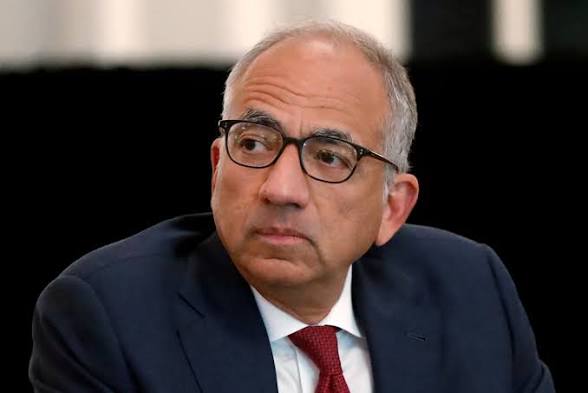
Carlos Cordeiro
Cordeiro stepped down in protest, issuing a strongly worded statement condemning the proposal. He noted: “As a senior advisor to the FIFA president, a former banker, and a lifelong football fan, I cannot stand by while FIFA considers selling a stake in the World Cup.”
Cordeiro further emphasized his opposition, stating:“Let me be clear: I had no involvement in this proposal, and I oppose it unequivocally. It is a bad deal for FIFA’s Member Associations, a bad deal for football, and a bad deal for the long-term future of the game.”
His resignation underscores the depth of concern within FIFA’s own ranks, highlighting fears that the governing body may be compromising its core values in pursuit of financial gain.
FIFA’s Official Response
In response to mounting criticism, FIFA released a statement attempting to clarify its position and reassure stakeholders. The federation insisted that “nobody is selling football”, framing the initiative as a means of empowering member associations rather than relinquishing control.
FIFA emphasized its commitment to an open and democratic consultation process, arguing that initial backlash had been fueled by “incorrect media reports.” The governing body maintained that FFE is intended to allow associations to “take meaningful ownership of the commercial opportunity of football” without compromising governance or the spirit of the game.
Despite these assurances, FIFA stopped short of withdrawing the proposal. Instead, it confirmed that it would proceed with consultations, leaving the final decision in the hands of member associations.
Infantino has continued to publicly back the plan, signaling that FIFA remains determined to push forward despite widespread opposition.
Current Situation and Broader Implications on Global Football
As it stands today, FIFA’s FFE proposal remains in a state of uncertainty. With a September 19 deadline looming, the governing body faces a critical test of support among its member associations. However, the scale of opposition—from confederations, political leaders, and even internal advisors—suggests that approval is far from guaranteed.
Should the plan ultimately succeed, it could usher in a new era of global football commercialization, fundamentally reshaping how the sport is governed and financed.
The introduction of private investment into the World Cup could have far-reaching consequences, influencing everything from tournament organization to revenue distribution across the football pyramid.Yet, the risks are equally significant. Critics argue that such a move could erode the traditional values of the game, concentrating power in the hands of investors and potentially sidelining smaller footballing nations.
The ripple effects would be felt across every corner of the sport—from grassroots development to elite competition.
In essence, FIFA stands at a crossroads. The coming weeks will determine whether this ambitious yet controversial proposal becomes a defining milestone in football history—or a cautionary tale of overreach.

Your email will not be published. Comments are moderated before appearing.